Bathtub Replacement in Sacramento, CA
Old tub out, new tub into the same alcove, with the wall behind checked rather than covered over. For households that want to keep a bathtub.
Bathtub replacement is one of the few bathroom jobs with a genuinely predictable price in Sacramento, because the 60 inch alcove is standard here and the new tub goes back into the same opening. The old tub comes out, the surround is rebuilt around the new one, and the main variables are whether the outgoing tub is cast iron and what we find behind the wall once it is out. It is the right choice when you want to keep a bathtub, which plenty of households do, whether for small children, for resale, or simply because you prefer a bath.
Bathtub Replacement is general remodeling work, and we build it the same way for any household. Where it differs from most contractors is that we also specialize in accessible bathroom remodeling, so anything you want built in for the long term can be designed in from the start rather than retrofitted later.
At a glance
- Typical timeline
- 3 to 7 days including a new surround
- Bathroom out of service
- 2 to 4 working days
- Standard alcove
- 60 inches in the great majority of Sacramento bathrooms
- Permit required
- Yes where the waste or supply is altered
- Cast-iron removal
- Common in pre-1970 homes. Heavy enough to be a real part of the job
- Not the same as
- A walk-in tub, which is an accessibility product with a watertight door
Figures are typical for the Sacramento area and are here so you can plan. They are not a quote. We price your actual bathroom after seeing it.
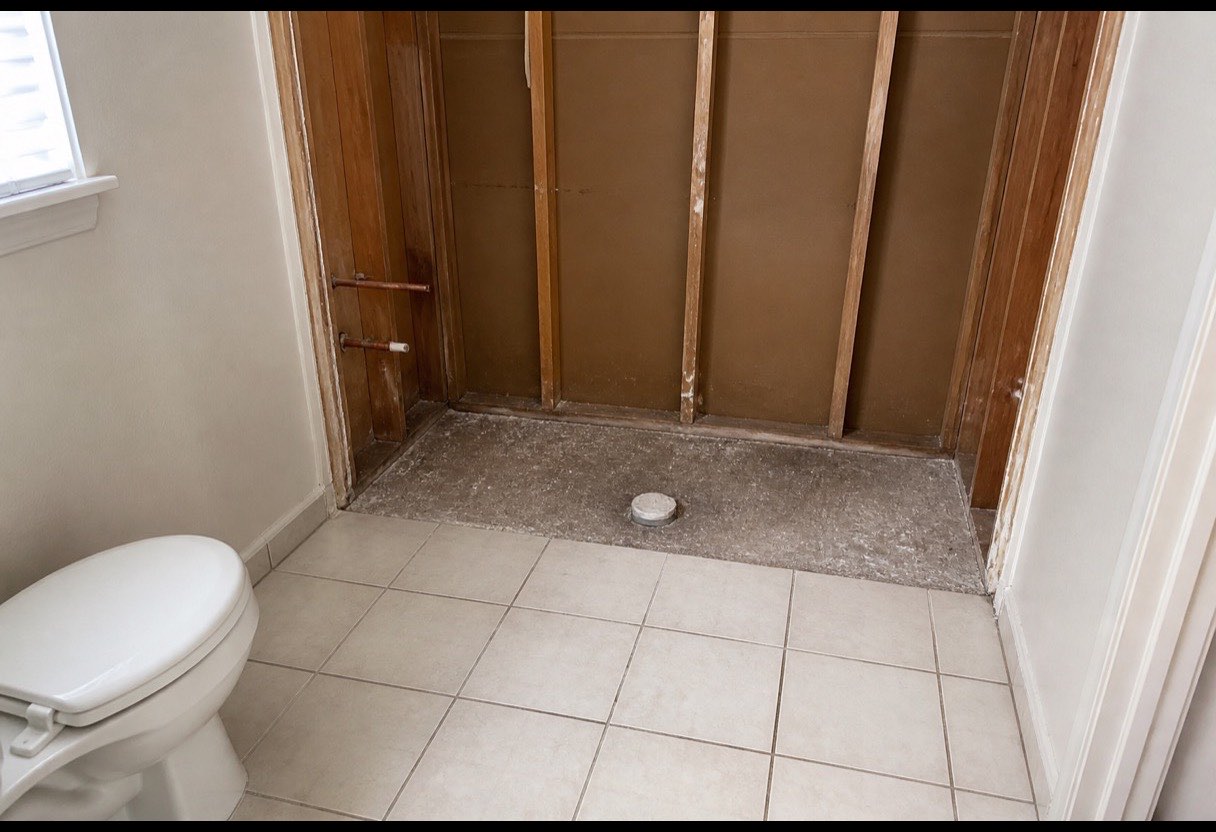
What is included in bathtub replacement in Sacramento
Removal and disposal of the old tub
Including cast-iron, which is heavy and frequently sits on an original drain assembly that should be replaced rather than reused.
Substrate inspection once the surround is off
The wall behind an old tub is the most common place we find long-term water damage, and it is far cheaper to correct while everything is already open.
A new tub set properly
Levelled and fully supported, with a mortar bed where the tub requires one. A tub that flexes underfoot was not set correctly, and that flex eventually breaks the seal at the deck.
New surround and waterproofing
Tile or acrylic over a proper membrane assembly, rather than panels bonded straight onto whatever was there before.
Drain, overflow and fixtures
New waste and overflow, with the filler and any handheld sprayer set at sensible heights.
Blocking while the wall is open
Optional, but this is the cheapest moment in the tub's life to make a future grab bar possible.
Signs you need bathtub replacement
- The tub is chipped, cracked, or the finish has worn through
- It flexes when you stand in it, which means it was never fully supported
- There is staining on the ceiling below or soft flooring at the tub edge
- A previous refinishing job is peeling
- You want to keep a bathtub but the surround is dated
- The tub is an unusual size and you want a standard one that is easier to replace later
Our process
- Free in-home consultation
We measure the actual bathroom, identify whether you are on a slab or a raised floor, check what we can behind the wall, and ask how you actually move through the room. Most of the decisions that matter get made here.
- Written fixed-price quote
Itemized, with the things that commonly surprise people listed as their own lines: concrete saw-cutting, pre-1970 galvanized supply, water heater capacity, structural blocking and tile repair.
- Permits and scheduling
We pull the permit where the work requires one. Plan review for a residential bathroom currently runs about two to four weeks in Sacramento. You get the specific out-of-service dates in writing before we start.
- Demolition and rough-in
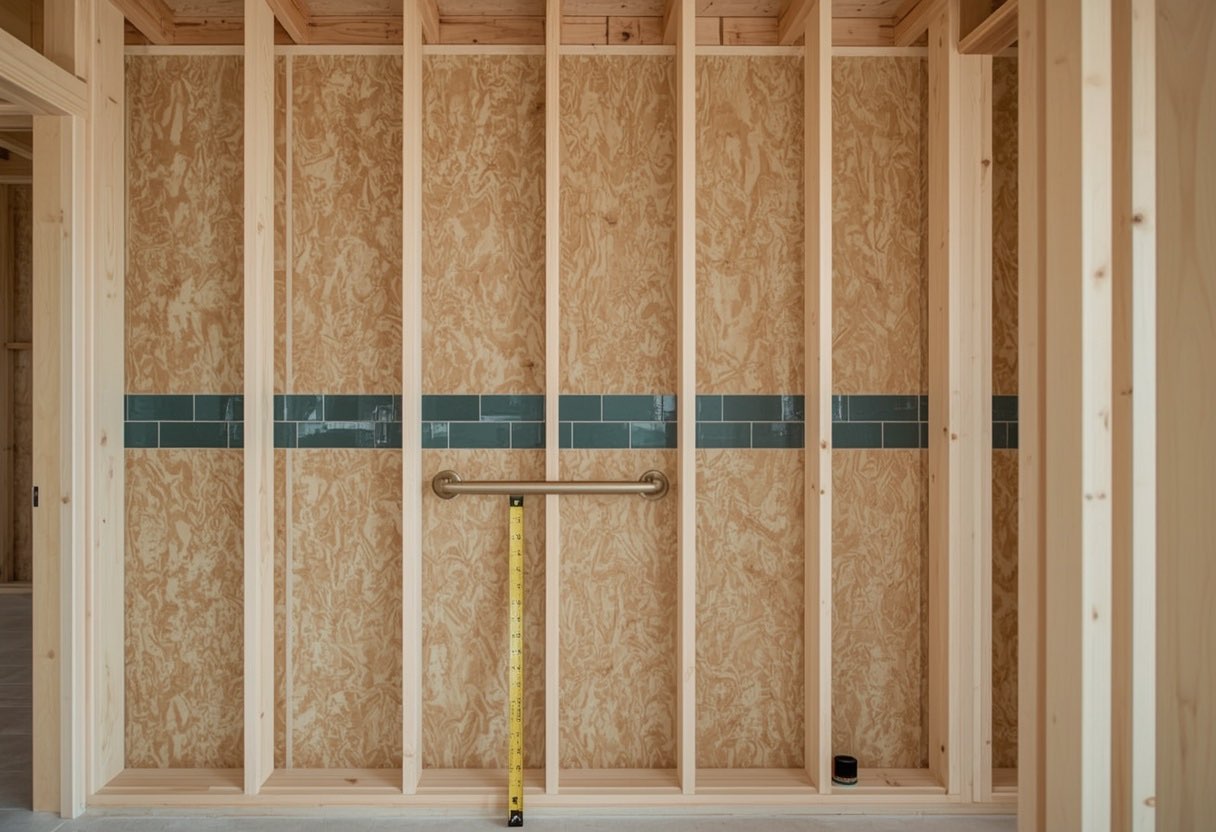
Floor protection first. Plumbing and electrical roughed in, and structural blocking added everywhere a grab bar or seat could ever be wanted, whether or not you want one today.
- Waterproofing and rough inspection
A continuous membrane assembly, with the receptor sloped at least a quarter inch per foot to the drain. The rough plumbing inspection happens before any wall is closed up.
- Tile, fixtures and finish
Bars and seats anchored to the ADA 609.8 250-pound standard at 33 to 36 inches above the floor, with the valve and handheld positioned to be reachable from the seat and from the entry.
- Final inspection and walkthrough
We walk it with you and, where relevant, with the person who will actually use it, and adjust bar positions while that is still a five-minute job.
Options and how to choose
| Option | Best for | Notes |
|---|---|---|
| Standard alcove tub | Most homes | The common 60-inch replacement. Straightforward, widely available, easiest to service later. |
| Soaking tub | Households that genuinely bathe | Deeper than standard. Check floor structure and hot water capacity before committing. |
| Tub with an integrated surround | Speed and low maintenance | Fewer seams to fail than tile, faster to install, fewer design options. |
| Reconsider: convert to a shower instead | Households that never actually bathe | If the tub is only ever used as a shower, a conversion removes the step-over wall entirely. |
What this typically costs in Sacramento
Which band are you likely in?
Two questions. Nothing is sent anywhere and we do not ask for your details. It highlights the row below that usually applies and tells you how much your foundation changes it.
| Scope | Typical range | What that buys |
|---|---|---|
| Standard acrylic alcove tub with surround | $4,500 to $8,000 | Like-for-like replacement in the existing 60-inch alcove |
| Cast-iron removal and replacement | Add $800 to $2,000 | Heavier removal, often cut in place, plus any floor framing check |
| Tub with custom tiled surround | $9,000 to $15,000 | Tiled walls over a full waterproofing assembly rather than an integrated panel |
Source: Sacramento-area 2026 pricing published by regional remodeling contractors and cost aggregators. These are market ranges for planning, not our quoted prices. What your bathroom costs depends most on whether the drain moves and whether you are on slab or a raised floor. Our Sacramento bathroom remodel cost guide breaks that down in full.
What moves the price up or down
- Tub material. Acrylic is light and straightforward. Cast-iron is considerably heavier, may need floor support checked, and costs more to remove and to install.
- What condition the wall behind the old surround is in, which is unknown until it comes off.
- Whether the drain and overflow line up with the new tub, since not all tubs share a waste position.
- Tile versus an integrated or acrylic surround.
- Whether the existing floor structure supports a heavier tub, particularly in raised-floor homes.
Permits, inspections and timeline in Sacramento
This work requires a permit whenever plumbing, framing or electrical is altered, which covers almost every version of this job. We pull it and manage the inspections as part of the project rather than leaving it to you.
- Permit cost: $200 to $800 for a standard bathroom remodel, with total permit cost typically $400 to $1,200 once plan review and sub-permits are counted.
- Plumbing sub-permit: $80 to $200 for the plumbing sub-permit covering drain, supply and vent modifications.
- Plan review: Plan review for a residential bathroom currently runs about two to four weeks in Sacramento.
- Overall timeline: Three to six weeks from demolition to punch list for a standard remodel, or eight to sixteen weeks end to end if the project needs design and plan review first.
Inspections you should expect:
- Rough plumbing inspection before any wall is closed up
- Electrical inspection before drywall where circuits are added or moved
- Framing inspection where structural changes are made
- Final inspection before the job is signed off
Source: Sacramento-area permit fee and timeline figures published by local remodeling contractors, 2026. If you are in West Sacramento, this runs through the City of West Sacramento and Yolo County rather than Sacramento County.
Local context: bathtub replacement in the Sacramento region
The great majority of Sacramento bathrooms were built around a standard 60-inch alcove, which makes straight replacement predictable in most of the region. Where it gets more involved is the older housing. Cast-iron tubs are common in pre-1970 Carmichael and Fair Oaks homes, and they are heavy enough that removal is a genuine part of the job rather than an afterthought. In raised-floor homes we also check the framing beneath before setting a heavier replacement, because the original joists were sized for what was there in 1962.
Related work
People planning this work often end up combining it with something else in the same room, and a fair number discover the accessible side of what we do along the way. These are the pages most worth reading next.
Sacramento Elite Bath Remodeling carries out bathtub replacement across Sacramento and the surrounding communities, and we publish a separate page for each of them so you can read what the work involves in your own city rather than the region as a whole.
Why Sacramento homeowners choose us for bathtub replacement
A tub that flexes will eventually leak
A bathtub has to be fully supported and dead level, with a mortar bed where the model calls for one. Flex under load breaks the seal where the tub meets the surround, and that is how a new tub develops an old problem. It is invisible on day one and obvious in year three.
The wall behind an old tub is where damage hides
Long-term seepage at a tub deck runs down inside the wall rather than out into the room, so it is common to find damage nobody knew about. Replacing that wall board while everything is open is inexpensive. Covering it and finding out later is not.
We will not talk you out of a bathtub
Plenty of contractors treat every tub as a conversion waiting to happen. If you bathe, if you have young children, or if this is the only tub in a family home, keeping it is often the right call and we will say so.
Bathtub Replacement in your community
We carry out this work across the whole service area. Each community below has its own page covering the housing stock, foundation types and permitting that affect a remodel there.
Bathtub Replacement FAQs
Should I replace my tub or convert it to a shower?
It depends on whether anyone actually takes baths. If the tub is only ever used as a shower, a tub to shower conversion removes the step-over wall and is the bigger safety gain. If you bathe, have young children, or it is the only tub in a family home, replacement is usually the better call, and resale is a fair consideration too.
How is this different from a walk-in tub?
A walk-in tub is an accessibility product with a watertight door and a step-in of around three inches instead of a 14 to 16 inch wall. It costs considerably more and you sit in it while it fills and drains. Standard bathtub replacement is a like-for-like swap of a conventional tub.
Can you replace a cast-iron tub?
Yes, and it is common in older Carmichael and Fair Oaks homes. Cast-iron is heavy enough that removal is a real part of the job, often cut in place, and we check the floor framing beneath before setting whatever replaces it.
How long does bathtub replacement take?
Usually three to seven days including the new surround, with two to four days where the bathroom is genuinely unusable. If we find damaged substrate behind the old surround, add a day or two to replace it rather than cover it.
Is refinishing a cheaper alternative?
It is cheaper up front and it can be reasonable if the tub is structurally sound and you are purely fixing appearance. It does not last as long as replacement, it does nothing about a wall behind that may be failing, and a peeling refinish is harder to deal with than the original surface was.
Considering bathtub replacement?
Free in-home consultation, written fixed-price quote, and an honest recommendation even when it costs us the bigger job.